
← Part 1: What Is Glycemic Index? | You are reading: Part 2 — Low GI Fruits | Part 3: GI of Indian Foods →
Lowest GI fruit — Cherry. One of the safest fruits for diabetics worldwide
Low GI fruits available in Indian markets that diabetics can enjoy daily
GI of watermelon — the “healthy summer fruit” that spikes blood sugar faster than most sweets
GI of Jamun — India’s own superfruit for blood sugar control, often overlooked
📅 Published: July 14, 2026 | 🩺 Medically Reviewed: July 14, 2026 | ⏱ Reading time: 5 min
🍎 Every diabetic has been told: “Eat fruits — they’re natural and healthy.” But nobody warned you that watermelon has a higher glycaemic index than white bread, or that fruit juice is essentially liquid sugar. Not all fruits are equal — and choosing the wrong ones can silently wreck your blood sugar control every morning.
In this Part 2 of HealthBanyan’s GI Series, we reveal exactly which fruits are safe, which ones to limit, the best Indian fruits for blood sugar control, and the portion rules that let you enjoy fruit without guilt. If you haven’t read Part 1: What Is Glycemic Index, start there first.
सभी फल एक जैसे नहीं होते — डायबिटीज में सही फल चुनना उतना ही जरूरी है जितना सही दवाई।
Why Diabetics Should Not Avoid Fruits — Just Choose Smarter
डायबिटीज में फल पूरी तरह बंद नहीं — बस सही चुनाव करें
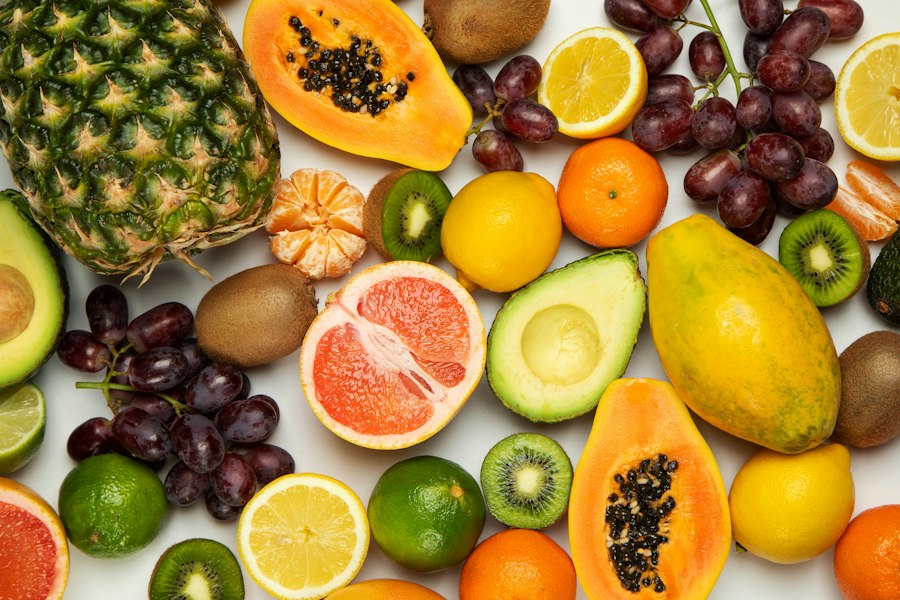
Low GI fruits — apples, pears, and berries — provide fibre, antioxidants, and vitamins while causing only a slow, gradual rise in blood sugar
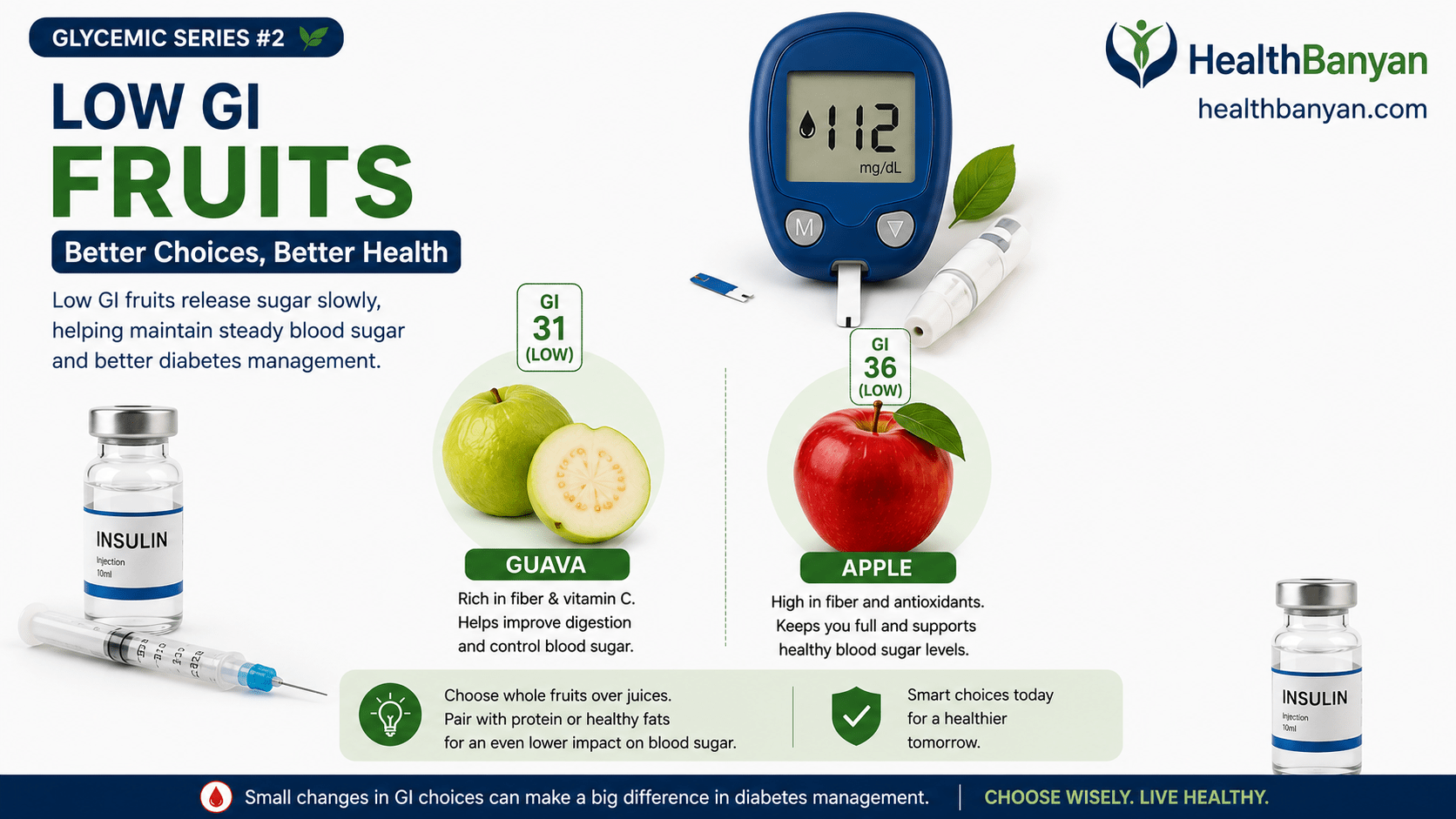
Whole fruits are rich in fibre, vitamins, antioxidants, and water — all beneficial for diabetic health. The fibre in whole fruit physically slows glucose absorption, which is exactly why a whole apple (GI 36) is dramatically safer than apple juice (GI 40–60 with no fibre buffer) from the same apples.
The strategy is not to avoid fruit — it is to choose low GI varieties, control portion size, and always eat the whole fruit, never as juice. Done right, fruit becomes a powerful tool for nutrition without blood sugar spikes.
🔑 The Fibre Rule: Why “Whole Fruit Only” Matters for Diabetics
When you juice a fruit, you strip the fibre and concentrate the sugar from multiple fruits into one glass. A glass of orange juice requires 3–4 oranges — with the fibre removed. The result: a GI of 50–65 and a dramatic blood sugar spike versus eating one whole orange at GI 43. Always eat fruit whole — never juice it.
फल का जूस = कई फलों की चीनी, बिना फाइबर के। हमेशा साबुत फल खाएं।
“I Was Drinking Fruit Juice Every Morning — And Wondering Why My Sugar Was High.” — Preeti’s Story
“मैं हर सुबह जूस पीती थी — और हैरान थी कि शुगर क्यों बढ़ रही है।”
🍎 8 Low GI Fruits Safe for Indian Diabetics — With GI, Benefits & Portions
8 कम GI वाले फल — GI, लाभ और सही मात्रा के साथ
| 🍎 Fruit | GI | Key Health Benefit | Safe Daily Portion | Regional Availability |
|---|---|---|---|---|
| 🍒 Cherries Cherri |
22 🟢 | Richest natural source of anthocyanins — reduce inflammation and insulin resistance. Also support joint health, relevant for diabetics with neuropathy pain | 10–12 cherries (about 100g) | North India (seasonal, May–June); available year-round frozen |
| 🍐 Pears Nashpati |
38 🟢 | High pectin fibre feeds beneficial gut bacteria; reduces post-meal blood sugar by slowing gastric emptying. Excellent source of Vitamin C and copper | 1 medium pear (150g) | North India (August–February); Delhi, Himachal, UP markets |
| 🍎 Apple Seb |
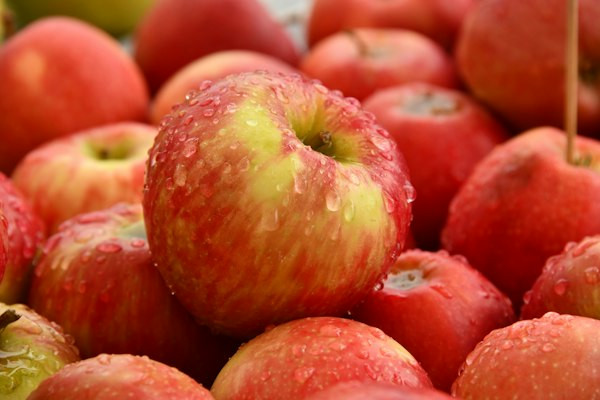
36 🟢 | Quercetin and chlorogenic acid reduce blood sugar spikes and improve insulin sensitivity. High fibre (keep the skin on!) supports gut health and satiety | 1 medium apple (150g); always eat with skin | Pan-India year-round; Himalayan apples (Himachal, J&K) are best quality |
| 🍓 Strawberries Strawberry |
41 🟢 | Among the lowest sugar content of all fruits; anthocyanins reduce post-meal insulin requirement. Excellent for kidney health — low potassium makes them safe for CKD patients too | 8–10 medium strawberries (100g) | Mahabaleshwar (Maharashtra), Ooty (Tamil Nadu), Shimla — seasonal (Nov–March) |
| 🟣 Jamun Black Plum / Java Plum |
28 🟢 | India’s own anti-diabetic superfruit — jamboline and jambosine in seeds slow starch digestion and reduce glucose absorption. Seeds ground into powder used in Ayurvedic diabetes management for centuries. Eat the whole fruit; some also use seed powder (consult doctor) | 10–15 jamun fruits (about 80g) | Pan-India seasonal (June–August); widely available at street vendors and local markets |
| 🍑 Peach Aadoo |
42 🟢 | Beta-carotene and Vitamin C support skin health (important for diabetics prone to slow wound healing); chlorogenic acid reduces blood glucose absorption in the gut | 1 medium peach (130g) | North India (June–August); Himachal Pradesh, Uttarakhand, J&K |
| 💚 Guava Amrood |
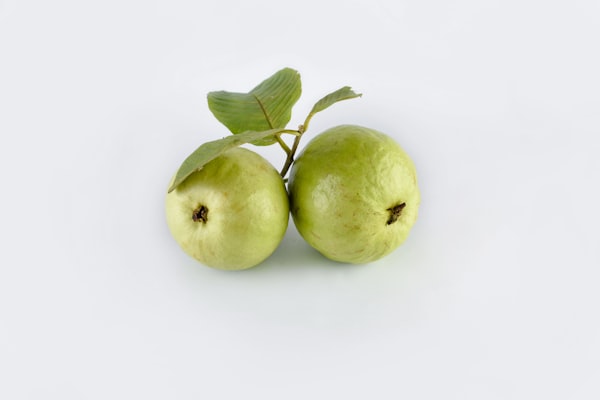
32 🟢 | Extremely high in dietary fibre (5.4g per 100g) and Vitamin C (4× more than orange). Studies from Taiwan and South Asia show guava significantly reduces post-meal and fasting glucose. One of the most accessible and affordable low-GI fruits in India | 1 medium guava (100g); eat with seeds | Pan-India year-round; particularly abundant in Allahabad (UP), Maharashtra, AP |
| 🍊 Orange Santra / Mosambi |
43 🟢 | Hesperidin flavonoid reduces insulin resistance; Vitamin C supports immune function (diabetics have higher infection risk). Important: eat the whole fruit — orange juice GI is 55–65 | 1 medium orange (130g). Never juice. | Pan-India; Nagpur oranges (October–January) and mosambi year-round |
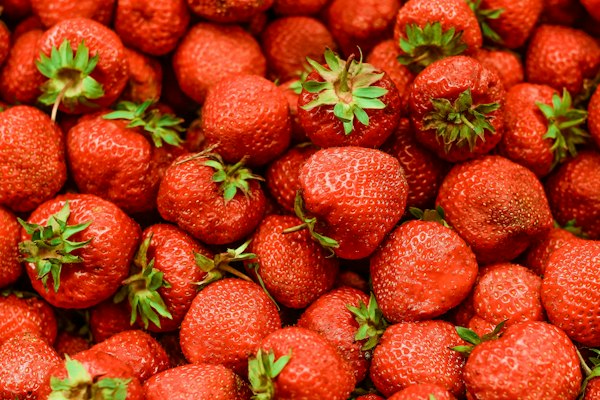
🖼️ Recognising Safe Fruits — A Visual Reference
सुरक्षित फलों को पहचानिए — एक दृश्य संदर्भ
🚦 Fruits Diabetics Must Limit or Avoid — The Surprise List
डायबिटीज में किन फलों से सावधान रहें
| Fruit | GI | Why It’s Risky | Safe Approach |
|---|---|---|---|
| 🍉 Watermelon (Tarbooz) | 72–80 🔴 | Very high GI — raises blood sugar faster than most table sugar despite tasting “watery.” Causes rapid post-meal spike | Tiny portion (<80g) if at all; test your own response with glucometer 2 hrs after |
| 🍍 Pineapple (Ananas) | 66–70 🔴 | High in fructose and high GI when ripe; bromelain offers anti-inflammatory benefits but the sugar load is too high for diabetics in typical portions | 2–3 small cubes maximum; never as juice |
| 🍌 Ripe Banana (Kela) | 51–62 🟡 | GI rises significantly with ripeness. Very ripe banana (brown spots) GI approaches 62+. High in rapidly digestible starch | Half a medium banana; prefer just-ripe (green-yellow, no brown spots) |
| 🥭 Ripe Mango (Aam) | 51–60 🟡 | Beloved fruit of Indian summers, but very high sugar density. 1 medium mango can contain 45–55g of carbohydrate — a full meal’s carb load | 6–8 small cubes (about 60g) maximum; pair with protein (curd) to blunt spike |
| 🍇 Grapes (Angoor — red/green) | 53 🟡 | Easy to over-eat — 20 grapes (a typical “handful”) contains 28g carbohydrate. Resveratrol is beneficial but the sugar load accumulates quickly | 10–12 small grapes maximum; red grapes preferred for higher resveratrol |
| 🍹 Any Fruit Juice | 55–80 🔴 | All fibre removed; 3–4 fruits’ worth of sugar in one glass; no satiety signal; GI dramatically higher than the whole fruit equivalent | Never for diabetics. Always eat the whole fruit instead |
🇮🇳 The Best Low GI Fruit Choices by Region of India
भारत के हर क्षेत्र के लिए कम GI फल की सलाह
🌴 South India
Best: Guava, jackfruit seeds (low GI), papaya (small portion), gooseberry (amla — GI 15) Limit: Coconut water (GI 54), banana, pineapple
दक्षिण भारत — अमरूद और आंवला सबसे अच्छे विकल्प
❄️ North India
Best: Himalayan apples, pears, Kashmiri cherries (seasonal), peaches, plums Limit: Alphonso mango, chikoo/sapodilla (GI 55)
उत्तर भारत — सेब, नाशपाती और चेरी उत्तम
🌊 West India
Best: Strawberries (Mahabaleshwar), guava, oranges (Nagpur) Limit: Alphonso mango (beloved but high sugar), sitaphal/custard apple (GI 54)
पश्चिम भारत — नागपुर संतरा और स्ट्रॉबेरी सुरक्षित
🌿 East India
Best: Jamun (June–August), guava, amla, starfruit (GI 22) Limit: Litchi (GI 50–57 — and linked to hypoglycaemia risk in children on empty stomach)
पूर्व भारत — जामुन और आंवला अत्यंत लाभकारी
5 Dangerous Myths About Fruit and Diabetes
फल और डायबिटीज के बारे में 5 खतरनाक मिथ्या
🥄 6 Rules for Eating Fruit Safely With Diabetes
डायबिटीज में फल सुरक्षित रूप से खाने के 6 नियम
1. Always Whole Fruit
Never juice. Always eat the complete fruit with all its natural fibre intact.
2. Pair With Protein
Apple + handful of walnuts. Guava + boiled chana. Protein slows glucose absorption significantly.
3. Portion Size First
Even the lowest GI fruit can spike sugar in large quantities. Stick to the portions in the table above.
4. Time It Right
Mid-morning snack (between breakfast and lunch) or post-lunch is safer than empty stomach first thing in the morning.
5. Test Your Response
Check glucometer 2 hours after eating a fruit you’re unsure about. Your personal response is the most reliable guide.
6. One Fruit at a Time
A mixed fruit bowl triples the total sugar and GI load. Choose one fruit per sitting, not a variety platter.
Frequently Asked Questions — Fruits and Diabetes
Q: Is papaya safe for diabetics?
Yes — papaya has a GI of approximately 59, which is medium range. A small portion (100g) is acceptable for most diabetics. Unripe papaya has a lower GI and is actually used medicinally in some diabetic populations of South Asia. Ripe papaya in small portions is fine — avoid large servings. Papaya is also rich in Vitamin C and has anti-inflammatory properties beneficial for kidney health.
Q: Can I eat fruit if I am on insulin?
Yes, but with attention to timing and the glucose response. People on insulin must be especially consistent with fruit portions because the insulin dose is calculated based on expected carbohydrate intake. Any significant change in fruit consumption should be discussed with your diabetologist to adjust the insulin timing accordingly. See our guide on Diabetes Medication Mistakes.
Q: Is coconut water good for diabetics?
Fresh tender coconut water has a moderate GI (approximately 54) and contains natural electrolytes. In small quantities (one medium coconut, about 200ml) it is acceptable for well-controlled diabetics. However for patients with diabetic kidney disease (Stage 3+), coconut water should be avoided because of its high potassium content which kidneys cannot excrete efficiently.
Q: Does freezing fruit change its GI?
Freezing whole fruit does not significantly change its GI. Frozen strawberries, cherries, and blueberries maintain essentially the same glycaemic profile as fresh. This makes frozen berries an excellent year-round option for diabetics who cannot access fresh seasonal fruit throughout the year.
“The single most frequent dietary mistake I see among newly diagnosed diabetic patients in India is fear of all fruit. They eliminate everything sweet — including some of the most nutritionally valuable foods available to them — and replace it with biscuits or processed snacks that are far worse. The answer is not less fruit — it is smarter fruit. Know the GI, control the portion, pair with protein. That approach changes everything.”
“सही फल, सही मात्रा — यह नुस्खा सरल है और बहुत असरदार है।”
✍️ Written By
Dr Nirmala Singh
Expert Clinician & Senior Paediatrician
Medical Writer, HealthBanyan
🩺 Reviewed By
HealthBanyan Medical Research Team
Evidence-Based Clinical Review
HealthBanyan
References
1. Atkinson FS, Foster-Powell K, Brand-Miller JC. International tables of GI and GL values. Diabetes Care. 2008.
2. Muraki I, et al. Fruit consumption and risk of type 2 diabetes. BMJ. 2013;347:f5001.
3. Joseph B, Jini D. Antidiabetic effects of Momordica charantia (bitter melon) and medicinal plants of family Cucurbitaceae. Journal of Medicinal Plants Research. 2013.
4. ICMR-NIN. Dietary Guidelines for Indians. National Institute of Nutrition. 2024.
Medical Disclaimer: This article is for educational purposes only. Consult your diabetologist or registered dietitian before making changes to your diet. Individual blood sugar responses to fruit vary — always monitor your own glucometer readings.
![Read more about the article Tips to Control your blood pressure- world hypertension day [2025]](https://healthbanyan.com/wp-content/uploads/2024/04/Tips-to-control-your-blood-pressure-300x157.jpg)