The Hidden Universe Within You — 9 Biological Forces Quietly Deciding How Fast You Age”
Have you noticed this? When you were 8 and fell while running, your knee magically healed in days. New skin. No scar. No trace of the accident.
Try the same fall today.
Same knee. Same scrape. But now it heals slowly… leaves a mark… and the skin doesn’t look quite the same.
So what changed?
YOU did — but not in the way you think.
What We Learned in the First Two Articles
Article 1: We explored humanity’s ancient desire to live longer — from Rishis to Greeks to the Blue Zones.
We learned that longevity is NOT luck. It’s a pattern.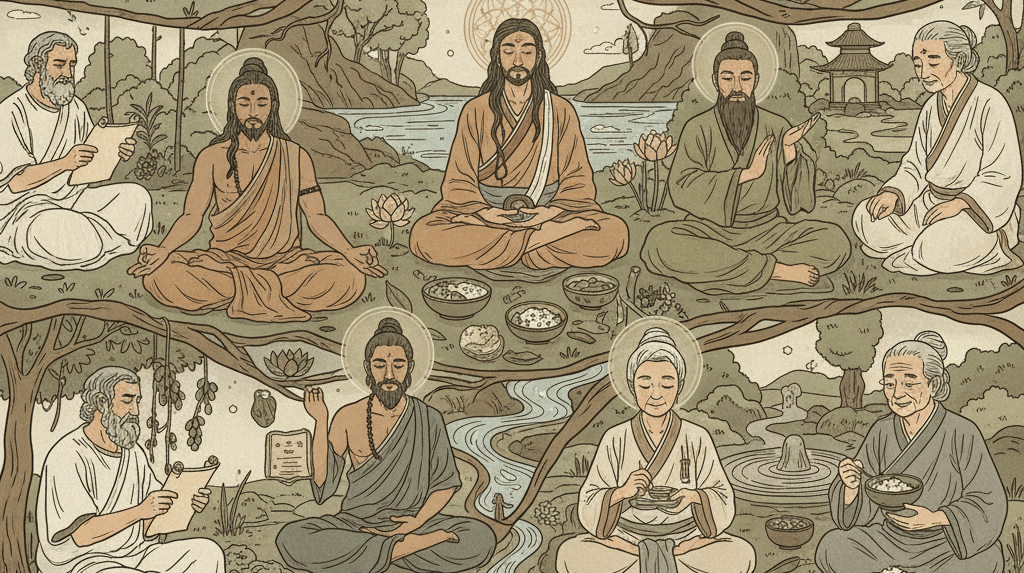
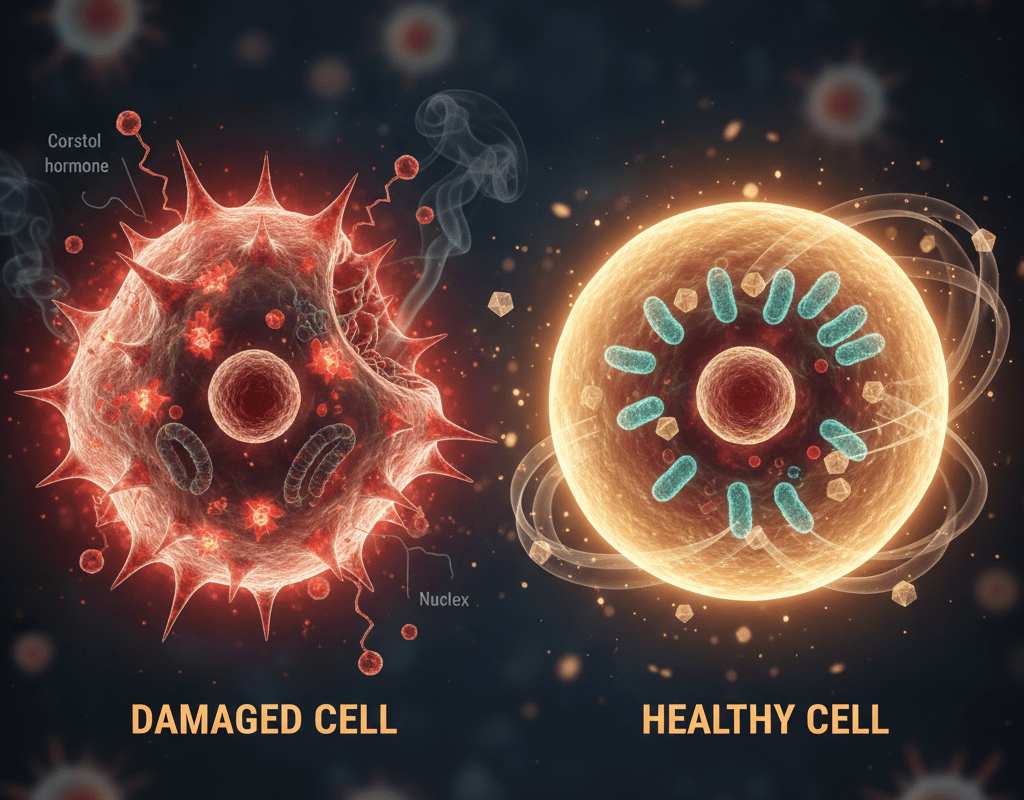 Article 2: We shattered the myth that “old age” kills us.
We don’t die because we’re old.
We die because our cells fail faster due to inflammation, stress, and metabolic damage.
Now, it’s time to understand the reasons why we age.
For centuries, getting old was a dark, inevitable force we couldn’t explain. Something that “just happened.”
But science has cracked the code.
And what they found is breathtaking
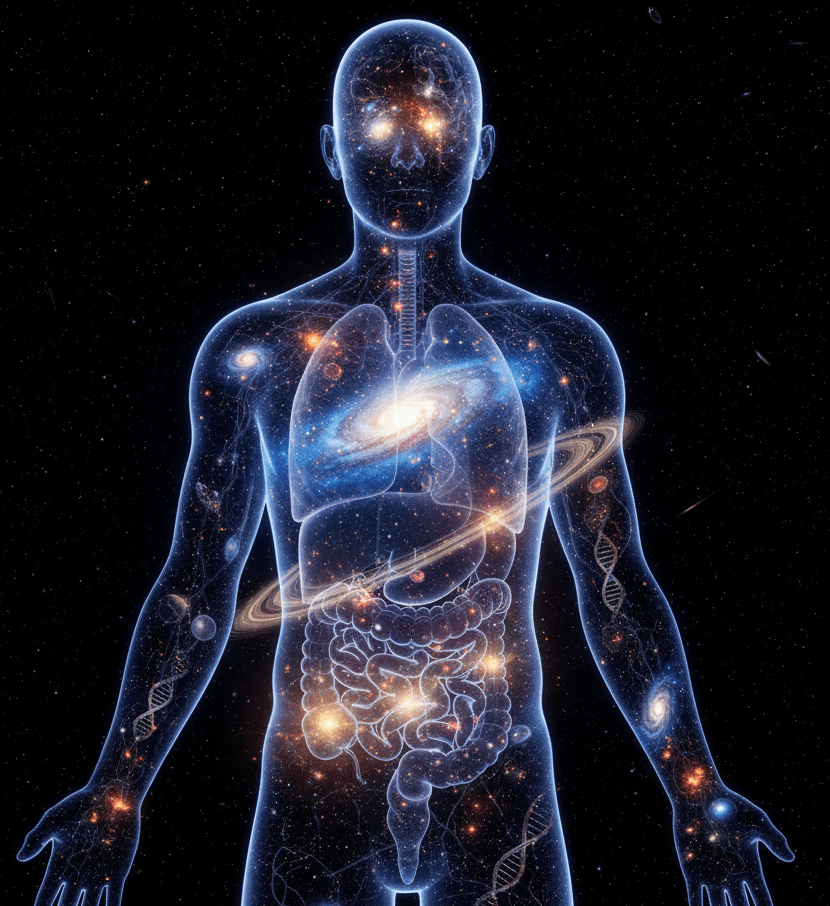
Aging isn’t one thing. It’s nine distinct biological processes, all unfolding inside you right now, in your trillions of cells.
Think of your body as a gleaming, self-healing city. When you’re young, everything hums. Power flows endlessly. Waste vanishes overnight. Communication is flawless. But over time, tiny glitches appear. One by one, systems begin to strain. These aren’t random breakdowns. They’re specific. Predictable. Scientists call them the Nine Hallmarks of Aging—the hidden reasons your inner city slowly dims.
Let’s take a tour.
The 9 Forces Quietly Reshaping You
1. Your Blueprint Starts to Blur: DNA Damage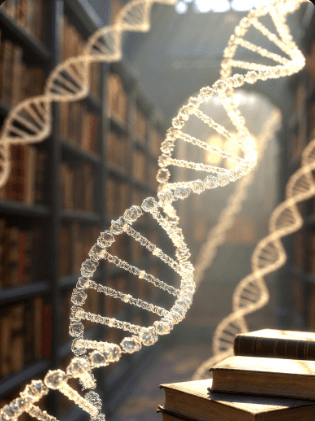
Picture your DNA as the world’s most precious library—billions of perfect instructions for building you.
Every single day, life attacks this library. Sunlight. Stress. Even just breathing creates damage. Young cells are master librarians, fixing tears the moment they appear.
But as decades pass, repairs get sloppy. Tiny errors slip through. Pages blur. And slowly, your cells start reading the wrong instructions.
Evidence:
-
“DNA double-strand breaks accumulate with age” — Nature Reviews Molecular Cell Biology, 2021.
-
“Genomic instability is a recognized hallmark of aging.” — Cell, 2013.
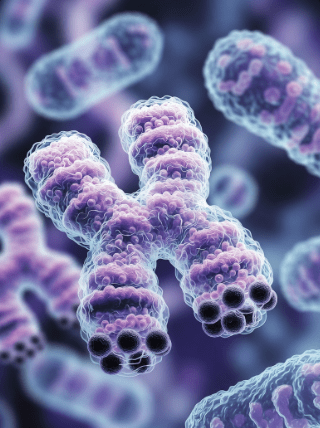
2. The Clock Inside Every Cell: Telomeres
At the tip of each chromosome sits a protective cap – like the plastic end of a shoelace. Scientists call it a telomere.
Every time a cell divides, this cap shortens. Just a little. It’s a countdown timer built into your biology.
When it runs out? The cell can’t divide anymore. It ages. It dies.
This is your internal biological clock.
Evidence:
-
“Telomere length predicts mortality and disease risk.” — Lancet, 2017.
-
Nobel Prize 2009 was awarded for discovering telomeres.
3. Your Power Grid Flickers: Mitochondrial Decline
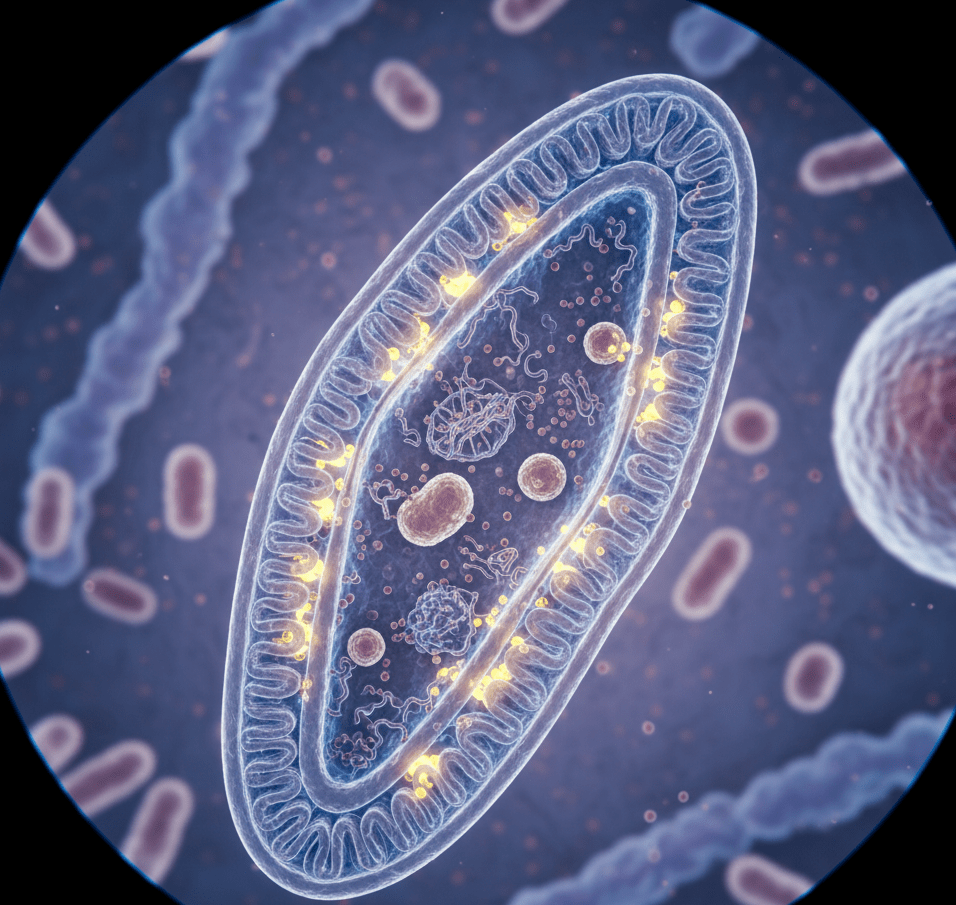 Deep inside your cells are microscopic power plants called mitochondria. They convert food into pure energy—the fuel for every heartbeat, every thought.
In your youth, they’re flawless engines.
But age brings rust. They produce less power and more pollution—toxic byproducts that corrode everything around them.
This is why you don’t bounce back like you used to. Your inner lights are dimming.
Evidence:
-
“Mitochondrial dysfunction drives age-related decline.” — Nature, 2019.
4. The Cells That Won’t Leave: Zombie Cells
Here’s where it gets strange.
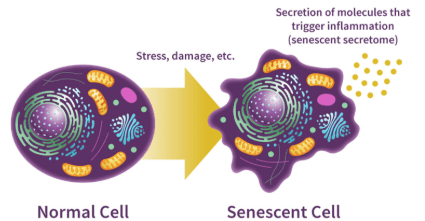 Some cells, after decades of work, are supposed to retire and quietly disappear. But they don’t. Instead, they become senescent—stuck in a weird, undead state.
They stop working. But they won’t die.
Worse, they start screaming. They pour out inflammatory chemicals that poison their neighbors, spreading damage like a toxic rumor.
Scientists call them “zombie cells.” And they’re aging you from within.
Evidence:
-
“Senescent cell clearance improves lifespan in mice.” — Science, 2011.
-
Human trials for senolytics have begun (UNITY Bio 2022).
5. Inflammaging — The Slow, Silent Internal Fire 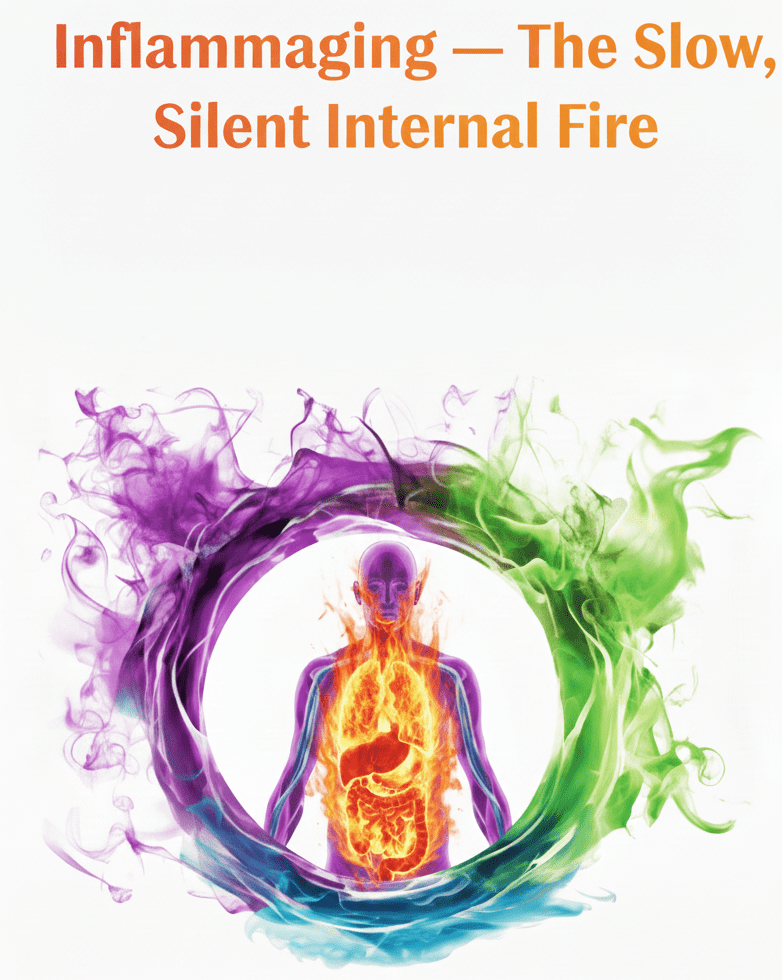
You don’t feel it.
You don’t see it.
But low-grade inflammation simmers continuously in an aging body. It’s a slow burn that quietly damages your arteries, joints, and brain over the years and accelerates heart disease, diabetes, and dementia.
Evidence:
-
“Chronic inflammation is a driver of biological aging.” — Nature Medicine, 2019.
6. The Trash Piles Up: Failing Autophagy
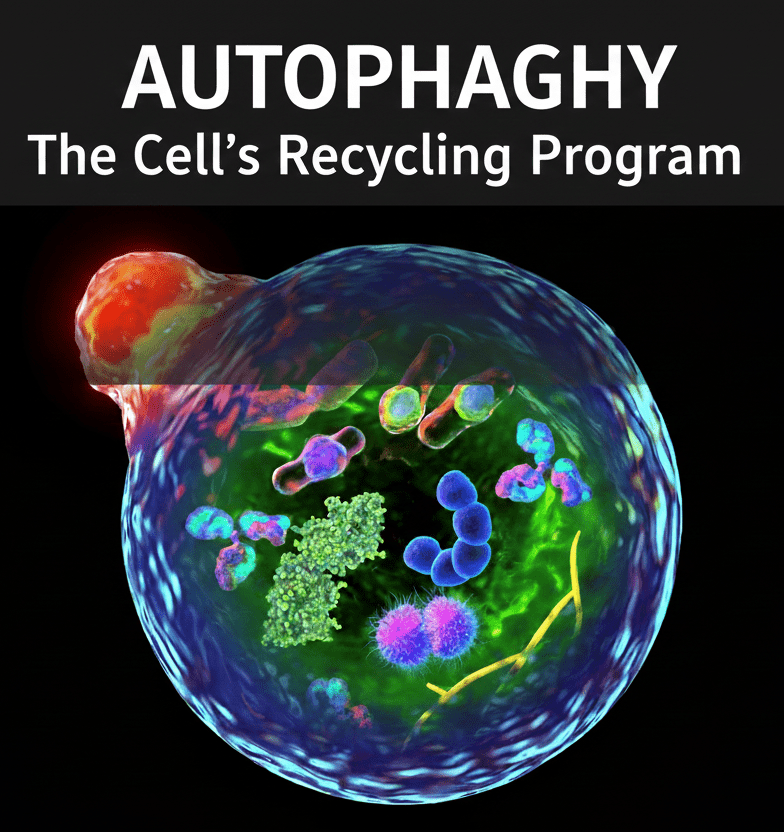 Your body has an elegant recycling system called autophagy.
Think of it as a night crew that sweeps through your cells, bagging up damaged proteins and broken parts. In youth, this crew is tireless.
But as you age, they get slower. Less thorough. The trash begins to pile up in corners.
And when cellular garbage accumulates, diseases like Alzheimer’s take root.
Evidence:
-
“Autophagy declines with age, leading to proteinopathy.” — EMBO Journal, 2020.
7. Epigenetic Drift — Your Cellular Software Gets Corrupted
“Your DNA is hardware. Your epigenetics is software.”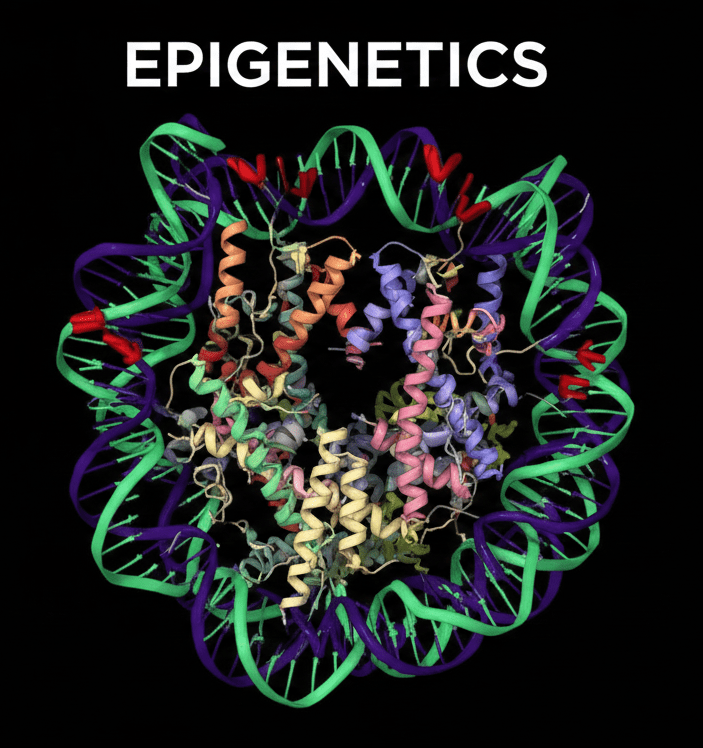
Imagine your body is a smartphone.
-
The hardware (the phone’s body, processor, battery) = your DNA.
It doesn’t change. It’s the same from birth to death. -
The software (apps, settings, updates, bugs) = your epigenetics.
It can change every day depending on how you live, eat, sleep, and age.
Now here’s the twist:
👉 Most people don’t age because their DNA breaks. They age because their software becomes corrupted.
Your epigenetics controls which genes switch ON and which stay OFF. The DNA is fixed, but the way the body reads DNA changes with age.
In young people, software is clean. Apps run fast. No glitches.
Genes turn on and off exactly when needed.
BUT
With age, Dust accumulates, and Settings get messed up. Some apps keep running when they shouldn’t, and some refuse to open. Notifications go to the wrong app!
This is exactly what happens in your cells.
The molecular switches — called methylation marks — become disorganized.
Cells start reading the wrong instructions, at the wrong time, in the wrong amount.
This leads to weak immunity, slower healing, memory decline, increased inflammation, and higher disease risk
It’s not the hardware failing —
It’s the software drifting out of order.
Evidence:
-
“Epigenetic clocks predict aging rate accurately.” — PNAS, 2016.
8. When Proteins Go Wrong: The Misfolding Crisis
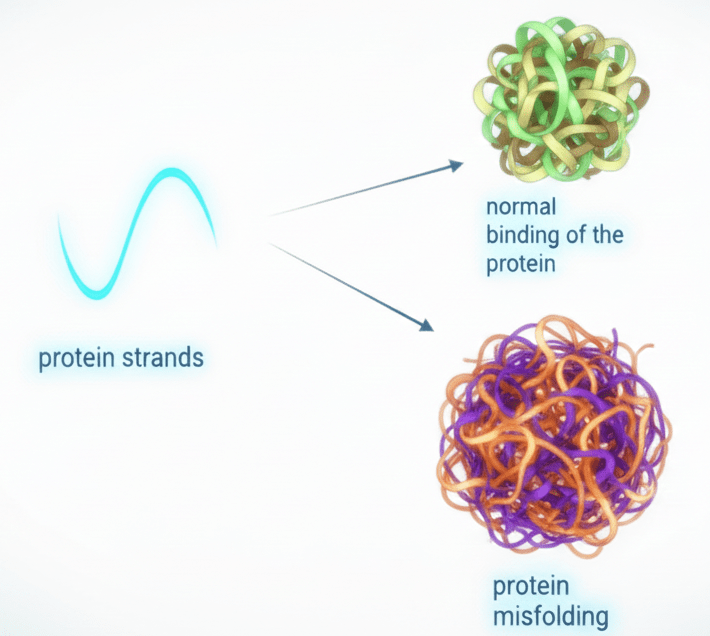 Proteins are your body’s workforce—millions of molecular machines that must fold into exact shapes to function.
As you age, the folding process breaks down. Proteins twist into wrong shapes, then clump together into toxic tangles.
These clumps are the hallmarks of Alzheimer’s and Parkinson’s Diseases, where the machinery of life literally jams.
Evidence:
“Protein homeostasis failure is central to aging.” — Science, 2019.
9. Your Repair Team Runs Out: Stem Cell Exhaustion
Your body keeps a reserve of miracle workers called stem cells—blank-slate cells that can become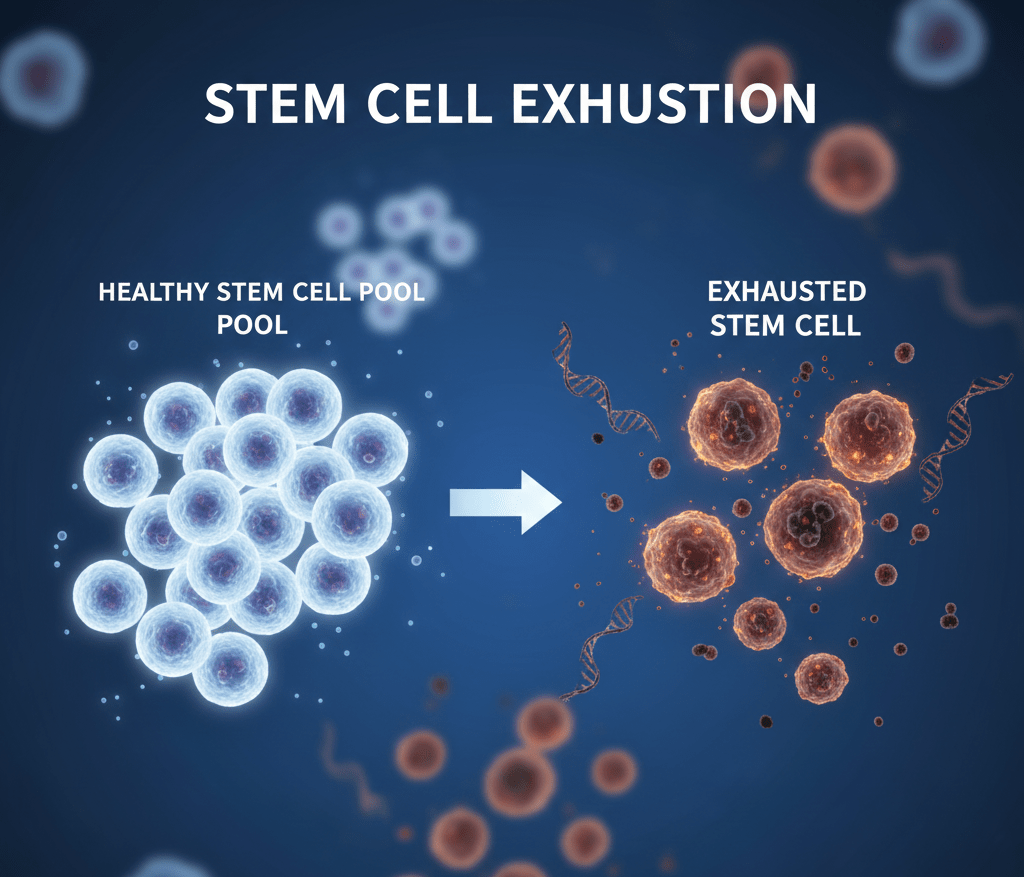 anything: new skin, liver, or brain tissue.
They’re your emergency repair crew.
But over time, this reserve dwindles. The remaining stem cells grow tired and slow.
This is why a cut at 60 heals differently than one at 16. Your renovation team is understaffed and overworked.
Evidence:
“Stem cell decline is a hallmark of tissue aging.” — Cell Stem Cell, 2015.
WHAT WE LEARNED
Key Takeaways
-
Aging is NOT random — 9 biological hallmarks drive it.
-
These forces interact and accelerate each other.
-
Science now understands aging better than ever.
-
Human trials for anti-aging therapies are underway.
-
The future may allow us to slow or reverse these processes.
-
Longevity is shifting from mystery → science → possibility.
Quick Quiz: How Much Do You Know About Aging?
1. Which part of the cell produces energy but weakens with age?
A. Ribosomes
B. Mitochondria
C. Golgi bodies
ANS- B
2. What are “zombie cells”?
A. Dead cells
B. Senescent cells that refuse to die
C. Healthy immune cells
ANS – B
3. Which natural process declines and causes waste buildup inside cells?
A. Photosynthesis
B. Autophagy
C. Respiration
ANS- B
4. What protects the ends of your chromosomes?
A. Lysosomes
B. Telomeres
C. Antibodies
ANS – B
5. Which phenomenon is known as “inflammaging”?
A. Fever
B. Chronic, low-grade inflammation
C. Muscle cramps
ANS – B
And now that you know what ages you, the real journey begins: In our next article, we’ll break down each of the nine hallmarks of aging in detail—what causes them, how they interact, and what the latest research reveals about slowing biological aging.