
Complete Child Health Guide for Parents (0–18 Years) | Pediatric Advice for Healthy Growth
Introduction
Childhood is a crucial period for physical growth, brain development, and emotional wellbeing. Understanding the health needs of children at different stages helps parents provide better care and prevent many illnesses.
This comprehensive guide covers essential aspects of child health from birth to adolescence, helping parents make informed decisions about nutrition, development, and preventive healthcare.
1: Newborn Care (0–3 Months)
The newborn period requires careful attention to feeding, sleep, and hygiene.
Key aspects of newborn care
-
Breastfeeding support
-
Monitoring jaundice
-
Umbilical cord care
-
Safe sleeping practices
-

Knowing about caring method of your Newborn baby is the first step in successful parenting – Dr Nirmala singh
Parents should watch for warning signs such as:
-
Poor feeding
-
Excessive sleepiness
-
Breathing difficulty
Early pediatric consultation ensures healthy newborn development.
2: Infant Health (3–12 Months)
During the first year, babies experience rapid physical and brain development.
Important areas
-
Introduction of solid foods
-
Sleep patterns

Photo by Brooke Balentine on Unsplash
Parents should encourage:
-
Interactive play
-
Safe exploration
These activities support cognitive and emotional growth.
3: Toddler Health (1–3 Years)
Toddlers become more active and curious, which increases the need for supervision and structured routines.
Common concerns
-
Tantrums
-
Sleep disturbances
-
Minor infections
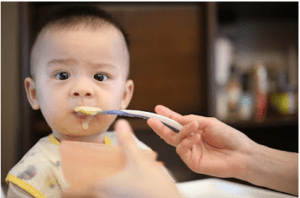
Healthy habits during this stage include:
-
Balanced nutrition
-
Regular sleep schedule
-
Safe play environment
4: Preschool Child Health (3–5 Years)
Preschool children begin social interactions and school exposure.
Health focus areas
-
Strengthening immunity
-
Speech and language development
-
Emotional development
- Behaviour development
-
Hygiene habits
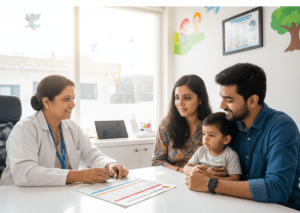
Parents should encourage:
-
Outdoor play
-
Reading habits
-
Communication skills
5: School Age Health (6–12 Years)
School children face academic pressure and lifestyle changes.
Common health concerns
-
Nutritional deficiencies
-
Obesity
-
Vision problems
-
Stress and anxiety

Photo by note thanun on Unsplash
Healthy routines include:
-
Regular physical activity
-
Limited screen time
-
Adequate sleep
6: Adolescent Health (13–18 Years)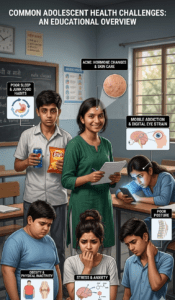
Adolescence involves significant physical and emotional changes.
Key areas
-
Puberty changes
-
Mental health support
-
Nutrition needs
-
Physical activity
Open communication between parents and teenagers helps address concerns related to emotional well-being and lifestyle choices.
7: Vaccination & Preventive Care
Vaccination is one of the most effective methods to protect children from serious infectious diseases.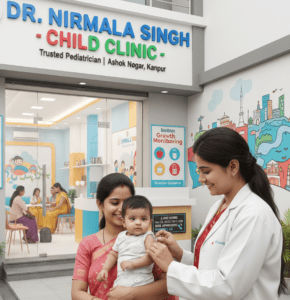
Preventive healthcare also includes:
-
Regular health checkups
-
Vision and dental screening
These measures help identify health issues early.
8: Child Nutrition
Balanced nutrition supports healthy growth and immunity.

Important nutrients
-
Protein
-
Iron
-
Calcium
-
Vitamins
Healthy eating habits should include:
-
Fruits and vegetables
-
Whole grains
-
Adequate hydration
Limiting processed foods and sugary drinks is important for long-term health.
9: Common Childhood Illnesses
Children frequently experience infections such as:
-
Cough and cold
-
Stomach infections
-
Skin rashes
Parents should learn basic home care and recognize warning signs that require medical evaluation.
10: Child Development & Milestones
Monitoring developmental milestones helps detect early delays.
Key areas include:
-
Speech and language
-
Motor skills
-
Social interaction
Early intervention improves long-term outcomes.
11: Mental Health & Emotional Wellbeing
Mental health is as important as physical health.
Parents should encourage:
-
Emotional expression
-
Supportive communication
-
Balanced lifestyle
Signs of emotional difficulty may include:
-
Persistent sadness
-
Withdrawal from activities
-
Behavioral changes
12: Preventive Child Health Habits
Healthy lifestyle habits include:
-
Balanced diet
-
Regular physical activity
-
Proper sleep
-
Hygiene practices
These habits reduce the risk of many childhood illnesses.
When Should Parents Consult a Pediatrician?
Parents should seek medical advice if their child experiences:
-
Persistent fever
-
Breathing difficulty
-
Severe abdominal pain
-
Repeated vomiting
-
Unusual behavior or developmental concerns
Pediatric Care in Kanpur
Parents seeking professional pediatric consultation and preventive child healthcare may consult:
Dr. Nirmala Singh – Child Specialist
For reliable child health information, visit:
HealthBanyan – A Child Health Knowledge Platform
Serving families in:
-
Kanpur
-
Unnao
-
Fatehpur
-
Auraiya
-
Hamirpur
- Banda
- Kanpur dehat
- Kannauj
- Farukkhabad
FAQ Section
What is the most important factor for healthy child development?
Balanced nutrition, proper sleep, physical activity, and emotional support are key factors for healthy child development.
How often should children have health checkups?
Regular pediatric checkups are recommended to monitor growth, vaccination status, and overall health.
Why is preventive healthcare important for children?
Preventive care helps detect health problems early and supports optimal growth and development.