Holi is a festival of joy, but unsafe colors can silently harm your skin, eyes, lungs, and overall health. As a doctor, I often see patients after Holi with rashes, eye redness, breathing trouble, or uncontrolled sugar and BP.
The good news? Most of this is preventable—if you choose the right colors.
Choose Organic / Natural Colors
Why:
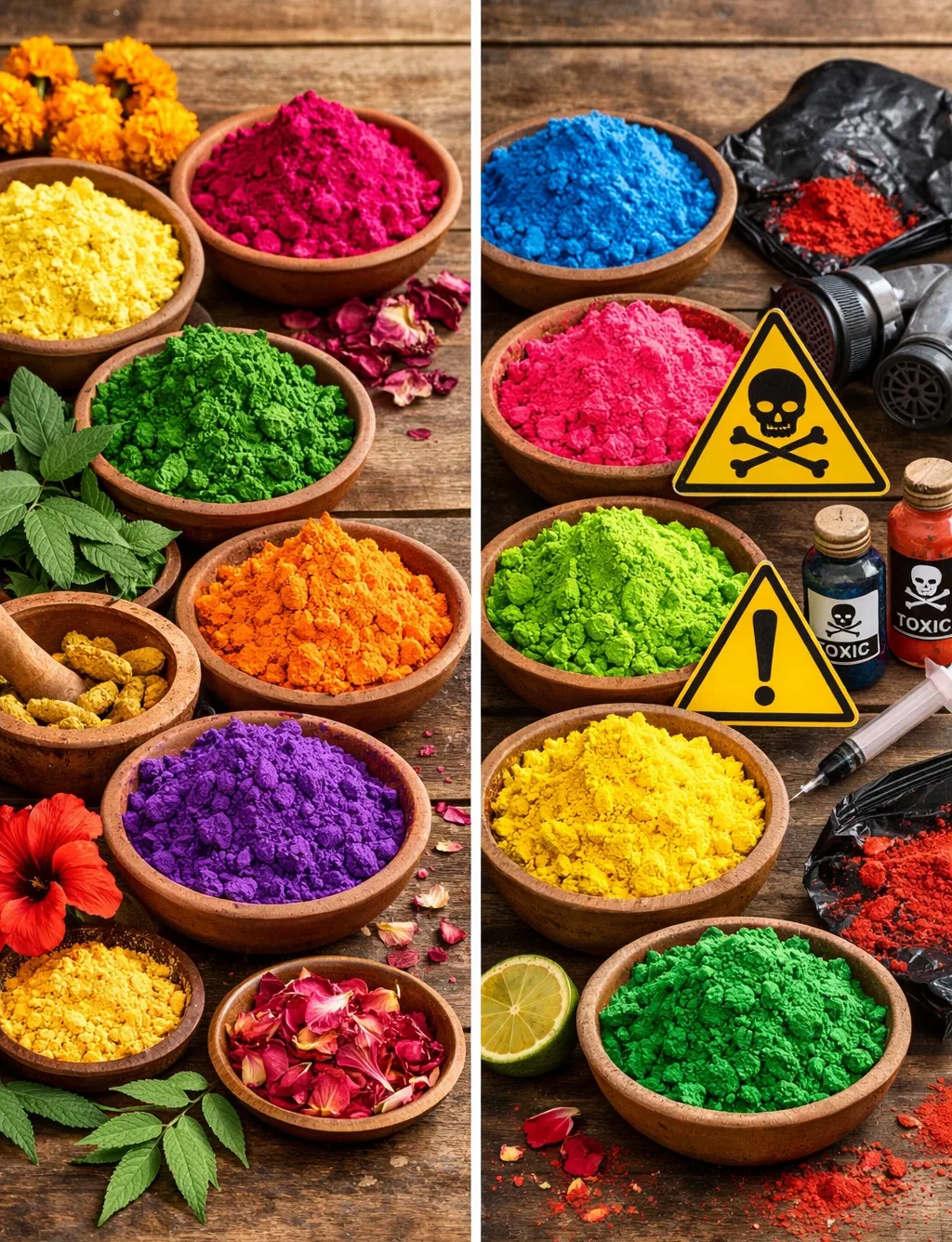
Natural colors made from flowers, herbs, and food-grade materials are non-toxic and gentle on skin and eyes.
What to look for:
-
Labels like organic, natural, herbal, and eco-friendly
-
Colors derived from palash, tesu, beetroot, turmeric, and henna
Health logic:
Chemical colors often contain heavy metals → skin allergy, eczema flare, eye irritation, asthma attacks.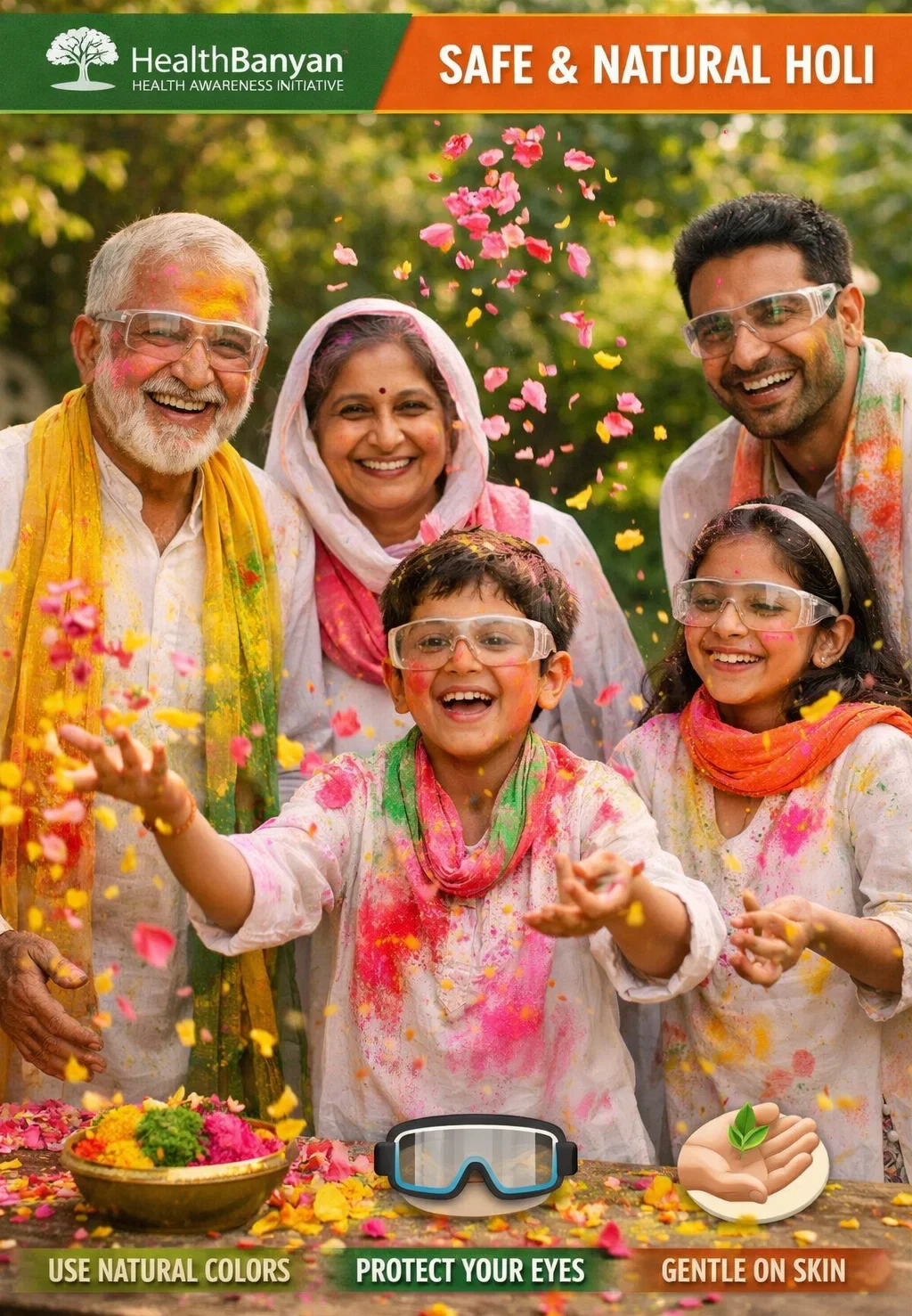
Avoid Very Bright, Shiny, or Glittery Colors
Why:
Unnaturally bright or shiny colors often contain industrial dyes, mica, glass powder, or metal salts.
Doctor’s warning:
These can cause:
-
Micro-cuts on skin
-
Severe eye injury
-
Long-lasting pigmentation
If the color looks too perfect, it’s usually too harmful.
Always Do a Patch Test
Why:
Even “natural” products can trigger allergy in sensitive individuals.
How:
-
Apply a small amount on inner arm
-
Wait 24 hours
-
If itching/redness → don’t use
This is especially important for:
-
Children
-
People with eczema, psoriasis
-
Diabetics (slower skin healing)
Prefer Dry, Coarse-Free Colors Over Fine Dust
Why:
Very fine powder easily enters:
-
Eyes
-
Nose
-
Lungs
Health risk:
Can worsen asthma, COPD, allergic rhinitis, and cause cough or breathlessness.
Tip: Slightly moist or coarse natural powders are safer.
Buy From Trusted Sources, Not Roadside Open Packs
Why:
Loose roadside colors:
-
Have unknown composition
-
No quality control
-
Often reused or adulterated
Safer options:
-
Certified brands
-
Pharmacy-linked stores
-
Reputed online platforms with ingredient lists
Avoid Using Colors on Face, Eyes & Hair Roots
Why:
These areas absorb chemicals fastest.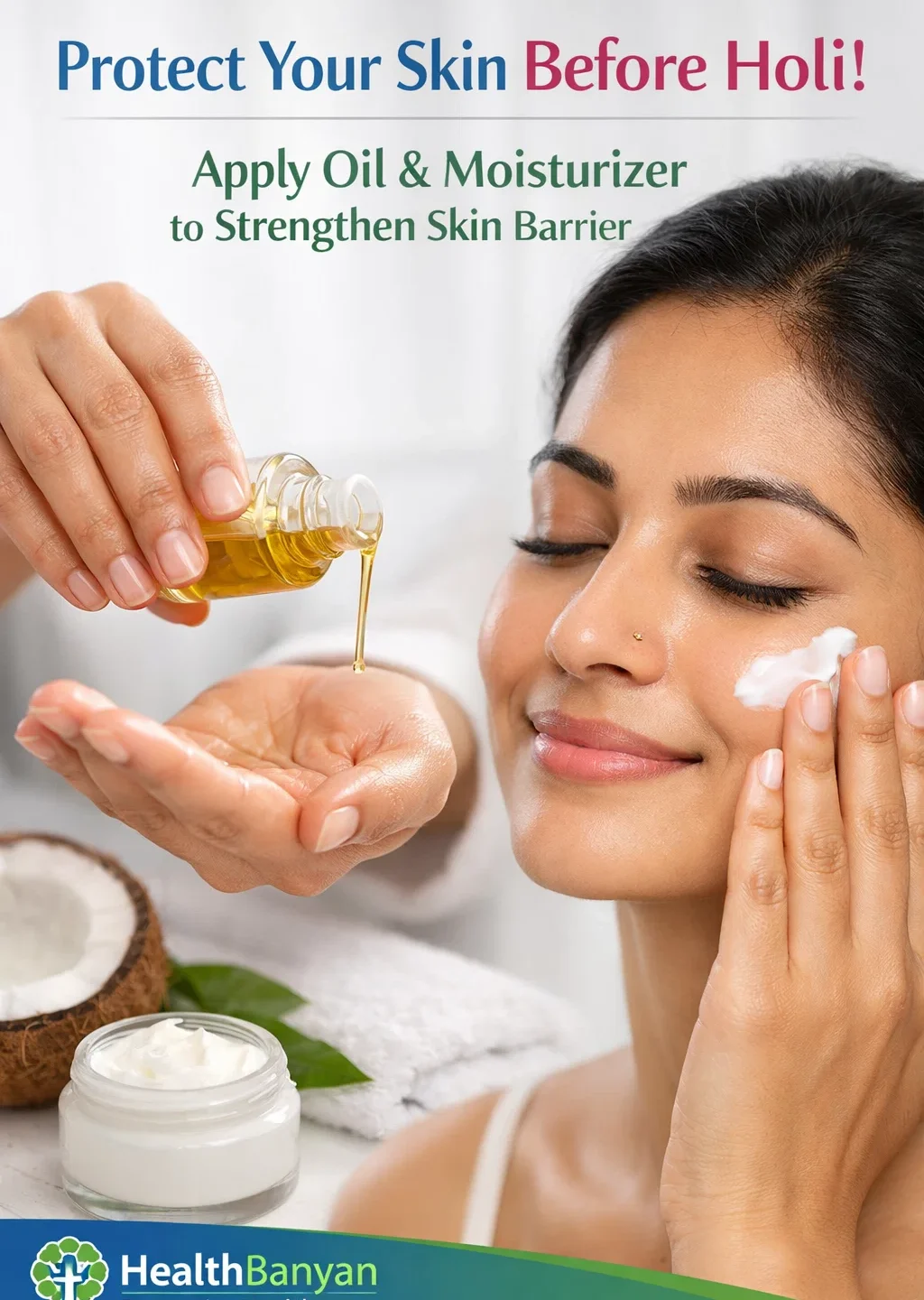
Practical tip:
-
Apply oil or moisturizer on skin
-
Apply coconut oil on hair beforehand
This creates a protective barrier.
Children, Elderly & Patients Need Extra Caution
High-risk groups:
-
Children (thin skin)
-
Elderly
-
Asthma/COPD patients
-
Diabetics
-
Pregnant women
For them, water-based natural colors or flower petals are the safest choice.
Wash Off Colors Gently—No Scrubbing
Why:
Harsh scrubbing damages skin barrier → infections, pigmentation.
Correct way: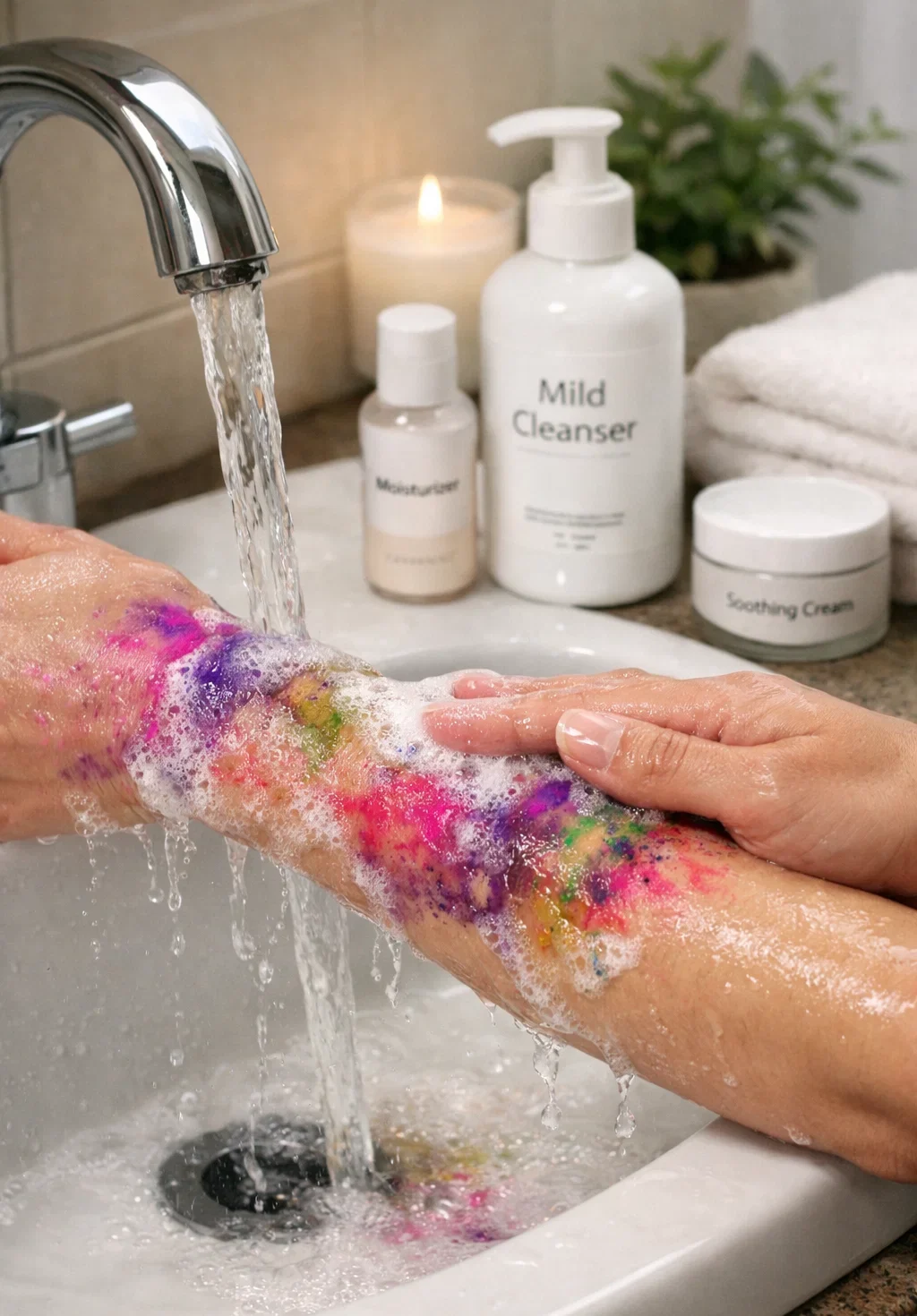
-
Lukewarm water
-
Mild soap
-
Gentle hands
-
Moisturize well after washing
Doctor’s Insight (For Readers)
“Every Holi, we see preventable skin allergies, eye injuries, and breathing problems. Choosing safe colors is not about fear—it’s about celebrating smartly.”
— Dr R K Verma
In Short: Safe Holi Color Checklist✔ Natural/organic colors |
Remember:
Holi is meant to add color to life, not problems to health.
Choose safe colors—for yourself, your children, and your loved ones.
FAQ – Safe Holi Colors & Health (For Public Awareness)
Q1. Are organic or natural Holi colors really safer?
Yes. Organic/natural colors made from flowers, herbs, or food-grade materials are non-toxic and far less likely to cause skin allergy, eye irritation, or breathing problems.
Q2. Can chemical Holi colors cause serious health issues?
Yes. Chemical colors may contain heavy metals, industrial dyes, or glass particles that can cause:
-
Skin rashes and eczema
-
Eye injury and redness
-
Asthma or breathing difficulty
-
Infections, especially in diabetics
Q3. How can I identify unsafe Holi colors?
Avoid colors that are:
-
Very bright, shiny, or glittery
-
Extremely fine powder (dust-like)
-
Sold loose without labels or ingredients
When in doubt, don’t use.
Q4. Should children and the elderly use special Holi colors?
Absolutely. Children, elderly, pregnant women, diabetics, and asthma patients should use only natural, water-based colors or flower petals.
Q5. Is it safe to apply Holi colors on face and hair?
Not advisable. Face, eyes, and hair roots absorb chemicals quickly.
If unavoidable, apply oil or moisturizer before playing Holi.
Q6. What should I do if skin irritation occurs after Holi?
-
Wash gently with lukewarm water
-
Use mild soap
-
Avoid scrubbing
-
Apply moisturizer
If redness, itching, or burning persists → consult a doctor.
Q7. Can Holi colors worsen asthma or breathing problems?
Yes. Fine color dust can enter the lungs and trigger asthma, COPD, cough, or breathlessness, especially in susceptible individuals.
Q8. Are online or branded Holi colors safer?
Generally, yes—if they list ingredients and certifications. Avoid roadside or unsealed packets.